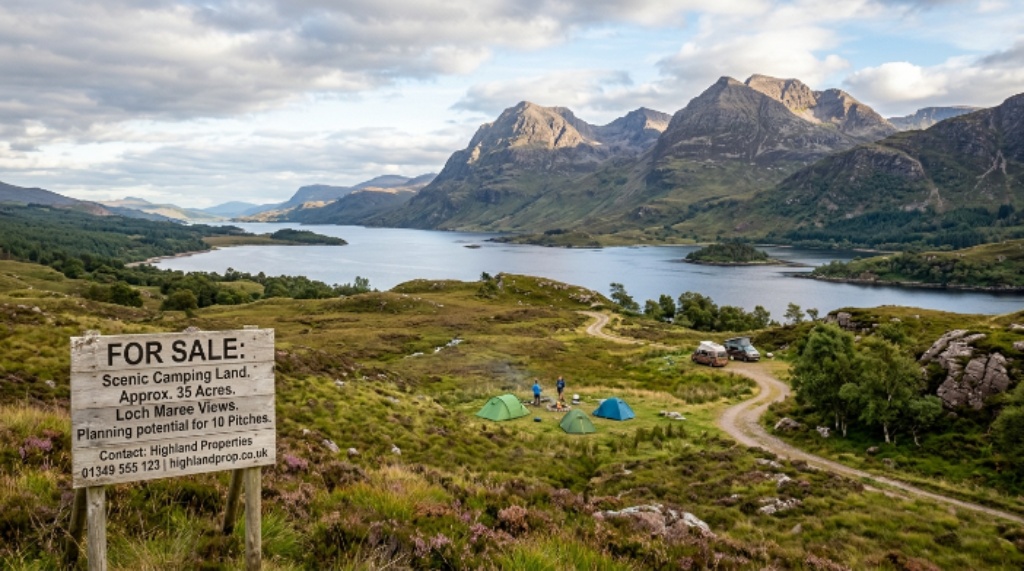
The dream of owning a stretch of countryside, woodland, or coastal field is no longer reserved for farmers and developers. Across England, Scotland, Wales, and Northern Ireland, a growing number of private buyers, entrepreneurs, and lifestyle seekers are purchasing camping land for sale as both a passion project and a sound investment. The outdoor hospitality market continues to attract strong interest, and the UK’s varied landscapes provide some of the most beautiful settings in Europe for a campsite or glamping business.
Whether you want to run a small pop-up site on summer weekends, build a premium glamping retreat, or simply own land that connects you to nature, the opportunity is real and more accessible than many people think. However, buying rural land for outdoor use comes with its own rules, costs, and regional considerations. This guide covers everything you need to know before you take the plunge.
Why Buying Camping Land in the UK Makes Sense Right Now
Demand for outdoor stays in the UK has remained strong even as the broader travel market has shifted. Staycations have become a regular choice for many British families, and camping and glamping continue to grow as preferred options for budget-conscious and experience-seeking travellers alike.
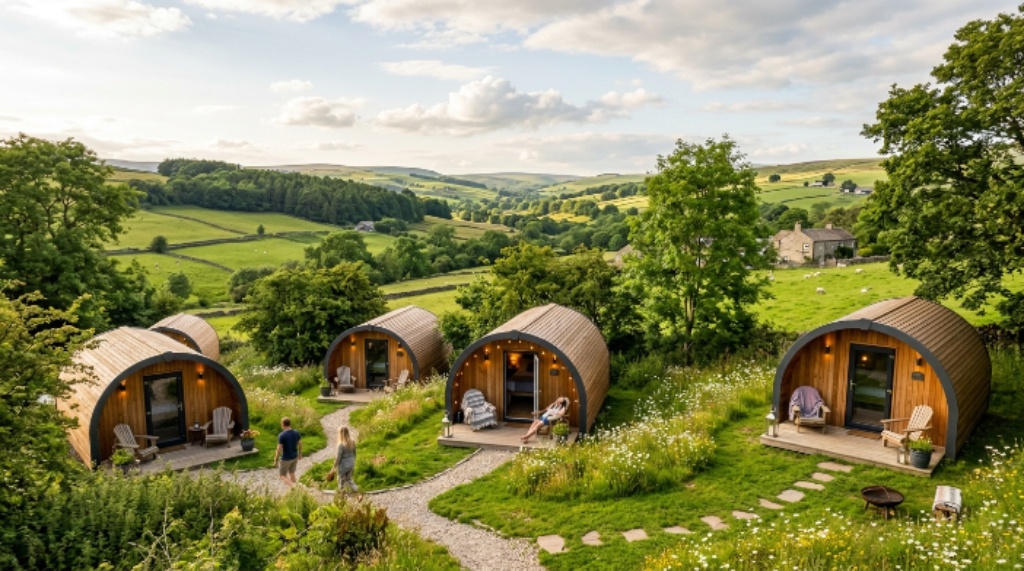
The glamping sector in particular shows strong financial promise. Small or entry-level glamping sites typically generate annual turnover between £30,000 and £90,000, with net profit margins ranging from 8% to 15%. Mid-size operations see turnover from £90,000 to £250,000, with margins reaching up to 18%. Large, well-positioned sites can generate turnover of up to £600,000 per year with margins approaching 22%—though retained earnings is decreased by dividend payouts and owner distributions prior to reinvestment.
Additionally, the barriers to entry are lower than most people assume. Land suitable for outdoor hospitality can be found across the UK at a range of price points. Plots in popular regions like Cornwall, Devon, and Wales with planning permission typically start at around £40,000 for small parcels. Larger sites with existing infrastructure and established bookings command significantly more, but the investment reflects an operational business rather than raw ground.
Understanding Planning Permission for Campsites
Planning permission is the most important thing to understand before buying any land for camping use. The rules differ across the four nations of the UK, and getting this wrong can be a costly mistake.
In England, landowners can operate a temporary recreational campsite for up to 60 days in a calendar year without needing full planning permission. This right falls under Class BC of the Town and Country Planning (General Permitted Development)(England) Order 2015, as amended in July 2023. The site can accommodate up to 50 pitches during this period. However, operators must notify their local authority of the opening and closing dates in advance, and the land must be returned to its original state outside of those dates.
In Wales, Scotland, and Northern Ireland, the temporary allowance is lower at 28 days per calendar year. Operators in these nations who wish to run a campsite beyond that limit must apply for full planning permission from their local planning authority.
For anyone wanting to operate year-round or at greater scale, a formal planning application is necessary regardless of location. Additionally, once planning permission is granted, a campsite licence from the local council is required before the site can open to the public. The council must determine this application within 42 days for caravan sites and 28 days for tent-only sites. If they fail to respond within this window, the licence is deemed granted.
| Planning Route | Days Permitted | Pitches Allowed | Applies To |
| Class BC Permitted Development | Up to 60 days/year | Up to 50 | England only |
| Temporary Use (28 days) | Up to 28 days/year | Varies | Wales, Scotland, NI |
| Full Planning Permission | Year-round | No fixed limit | All UK nations |
| Exempt Organisation Membership | Year-round | Site-dependent | All UK nations |
One useful shortcut is joining an exempt organisation such as the Camping and Caravanning Club, the Caravan and Motorhome Club, or the Freedom Camping Club. Members of these organisations can operate outside normal planning and licensing requirements, which opens up year-round use on eligible sites.
Best Regions to Buy Camping Land in the UK
Location shapes everything — the price you pay, the audience you attract, and the income you can generate. Here is a look at the strongest regions across the UK for outdoor land investment.
England: From the Moors to the Coast
The South West of England remains one of the most sought-after regions for outdoor hospitality. Cornwall, Devon, and the Jurassic Coast attract millions of visitors each year. Land prices here reflect that demand, but the earning potential matches it. Glamping pods in Cornwall with strong direct booking histories regularly come to market, often with planning permission already secured.
The Lake District and Yorkshire Dales draw walkers, cyclists, and nature lovers throughout the year. Camping land in the north of England tends to be more affordable than the south, and the audiences are loyal. Additionally, the North York Moors and Peak District both sit within National Park boundaries, which means planning rules are stricter but the scenery commands premium nightly rates.
Scotland: Space, Scenery, and Outdoor Freedom
Scotland offers the most dramatic landscapes in the UK and some of the most accessible land prices. The Scottish Highlands, Isle of Skye, and areas around Loch Ness attract domestic and international visitors year-round. A family-run camping and glamping business near Invermoriston, close to Loch Ness, has recently come to market — a good example of the operational sites available in this region.
Scotland also has a different legal framework around access to land. The Land Reform (Scotland) Act 2003 gives the public a right of responsible access across most land. Therefore, buyers should factor this into their site planning, as it affects how boundaries and facilities are managed.
Wales: Coastal Beauty and Mountain Charm
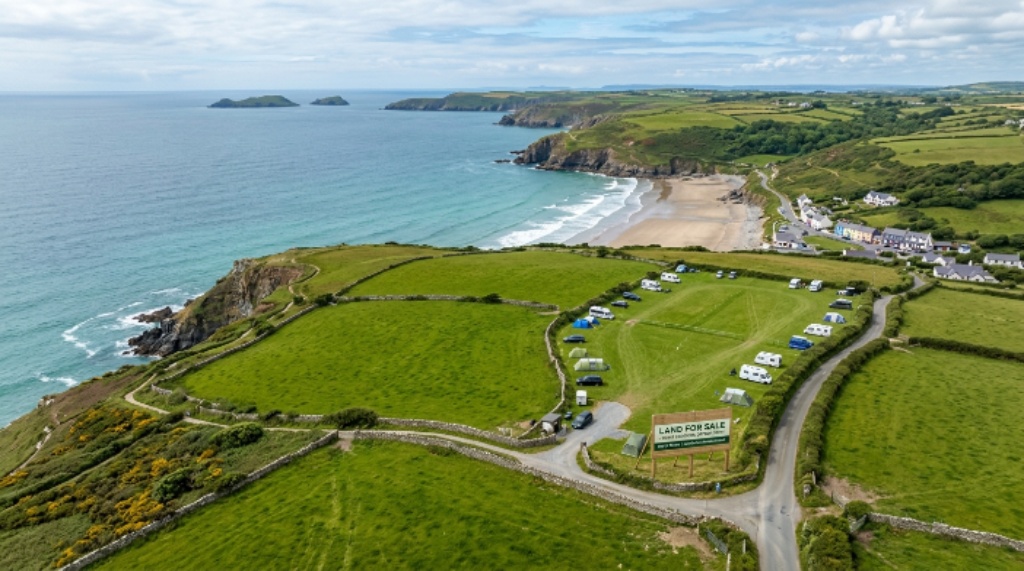
Wales offers outstanding value for money compared to equivalent locations in England. The Pembrokeshire coast, Gower Peninsula, Anglesey, and Snowdonia attract strong visitor numbers. Land in Wales with planning permission for camping typically starts around £40,000 for smaller plots, with larger operational sites and smallholdings reaching into the hundreds of thousands.
The Welsh Government’s commitment to sustainable development means planning authorities here often look favourably on low-impact, eco-conscious camping proposals. A Wild Camping (Wales) Bill is also progressing through the Senedd in 2026, which could reshape access rules and create new opportunities for landowners over the coming years.
What It Costs to Buy and Set Up Camping Land
Buying the land is just the first step. Understanding the full cost of getting a campsite operational is essential for anyone planning this as a business venture.
| Cost Category | Typical Range |
| Land purchase (small plot) | £10,000 to £100,000+ |
| Planning application fees | £500 to £3,000 |
| Site preparation and access | £5,000 to £25,000 |
| Utilities (water, electricity) | £3,000 to £15,000 |
| Glamping units (pods/yurts) | £5,000 to £60,000 each |
| Legal and survey fees | £1,000 to £2,500 |
| Campsite licence application | Local authority fee (variable) |
Running costs for established campsites tend to be relatively low once the infrastructure is in place. Pitch fees cover utilities and facility maintenance. Additional income streams such as a small on-site shop, a farm shop, or food and drink provision can significantly improve overall profitability.
Additionally, glamping pod operators should note that average daily rates across the UK currently sit between £120 and £200 per unit. At that rate, well-positioned sites can recover their pod investment within 16 to 30 months.
What to Look for When Buying Camping Land
Not every rural plot is suitable for outdoor hospitality. Before committing to a purchase, buyers should evaluate several key factors.
- Access: the land must be reachable by vehicle, ideally with a proper road frontage or established track
- Water supply: a mains connection or natural source that can be treated and approved
- Drainage: poor drainage leads to flooded pitches and unhappy guests
- Planning history: any previous applications or permissions on the land tell a story
- Flood risk: check the Environment Agency and equivalent databases before buying
- Proximity to attractions: proximity to walking trails, coastline, or tourist destinations drives bookings
- Mobile signal and connectivity: increasingly important for modern guests
Additionally, agricultural land without any planning permission is significantly cheaper than land with an established use. However, converting agricultural land to camping use is not guaranteed. Local planning authorities in protected areas such as National Parks and Areas of Outstanding Natural Beauty apply strict controls.
How to Find Camping Land for Sale
Several dedicated platforms list rural land across the UK. LandSale, Rightmove’s commercial and rural sections, Rightbiz, and Smallholdings for Sale all carry listings at various stages of development. Some plots come as bare land, others include existing buildings, caravans, or operational campsite businesses.
Working with a specialist rural land agent is worth the cost, particularly for buyers unfamiliar with planning law or site development. Agents who focus on agricultural and leisure land understand the nuances of campsite viability, planning risk, and fair market pricing in ways that general estate agents often do not.
Conclusion
Owning camping land for sale in the UK is a realistic and rewarding goal for the right buyer. The market offers options at every scale and price point, from small fields in rural Wales to operational glamping estates in Cornwall and Scotland. Planning rules differ across the four nations, but the fundamentals are clear: understand the permitted development limits, know what full planning permission requires, and choose a location that matches your budget and audience. The financial returns for well-run glamping and camping sites are genuinely strong, and the lifestyle rewards of owning a piece of the great British countryside go well beyond the balance sheet. Do your research, seek specialist advice, and approach the purchase with clear goals. The right piece of land is out there.
Frequently Asked Questions
Do I need planning permission to run a campsite on land I own in the UK?
It depends on how long you plan to operate. In England, you can run a temporary recreational campsite for up to 60 days per year without full planning permission under Class BC permitted development rights. In Wales, Scotland, and Northern Ireland, this limit is 28 days. Beyond these limits, a formal planning application is required from your local planning authority.
How much does camping land cost in the UK?
Prices vary widely by location and existing permissions. Bare agricultural land without planning permission can start from around £8,000 to £15,000 per acre. Land in popular outdoor regions like Cornwall, Devon, or Pembrokeshire with campsite planning permission typically starts at £40,000 for smaller plots. Operational glamping businesses command much higher prices depending on turnover and facilities.
Can I make money from a small camping site in the UK?
Yes. Small glamping sites in the UK typically generate annual turnover between £30,000 and £90,000, with net profit margins of 8% to 15%. Income depends on location, the type of accommodation offered, your booking strategy, and how many units or pitches you operate. Good-quality pods in scenic locations can recover their investment within around two years.
What licences do I need to operate a campsite in the UK?
Once planning permission is granted, you need a campsite licence from your local council. For tent-only sites, the council has 28 days to process this. For caravan sites, the window is 42 days. You may also need health and safety, fire safety, and waste management approvals depending on the scale and nature of your site.
Which regions of the UK offer the best value for buying camping land?
Wales and Scotland generally offer the most competitive land prices relative to the scenery and visitor appeal on offer. Regions like Pembrokeshire, Snowdonia, the Scottish Highlands, and the Isle of Skye attract strong visitor demand while land costs remain lower than comparable locations in the South West of England. The North of England, including the Lake District and Yorkshire Dales, also offers good value with loyal visitor audiences.