
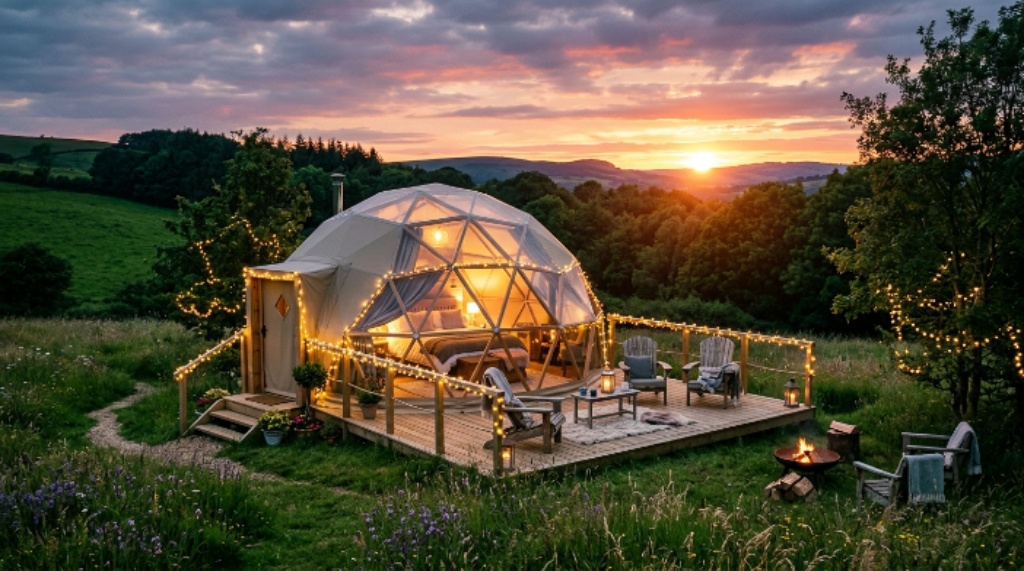
An empty field might not look like much at first glance. However, for a growing number of landowners, farmers, and property investors, that same field represents a serious income opportunity. Glamping — the combination of outdoor camping with luxury comforts — has moved from a niche trend into a mainstream hospitality category. In 2026, the global glamping market sits at an estimated value of between 3.8 and 4.2 billion US dollars, with projections pointing toward 7.36 billion by 2032. That growth rate of over 10 percent per year is hard to ignore.
The appeal is simple. Travelers want fresh air, privacy, and a break from daily life. However, they do not want to sacrifice comfort to get it. Glamping delivers both, and landowners who recognize this shift stand to benefit enormously. This article explains how to turn unused land into a profitable glamping site, what the real numbers look like, and what factors determine success.
Why the Glamping Market Keeps Growing
Consumer behavior has shifted significantly over the past few years. More people now prioritize experiences over possessions, and outdoor travel has benefited directly from that shift. Glamping appeals across a wide demographic — couples seeking romantic getaways, families wanting something memorable, and remote workers blending travel with productivity.
Additionally, the rise of platforms like Airbnb, Hipcamp, and Glamping Hub has made it easier than ever for travelers to discover and book unusual outdoor stays. Social media plays a role too. A beautifully designed geodesic dome with a stargazing skylight or a canopy treehouse with a private hot tub generates organic sharing. That kind of visual appeal drives bookings without heavy advertising spend.
Therefore, the demand side of the equation looks strong. The question for potential investors is whether the supply side — the actual business of running a site — is equally attractive.
What Does a Glamping Site Investment Actually Cost?
The cost of setting up a glamping site varies significantly depending on the type of accommodation, location, and scale of operation. However, according to recent financial reporting from top 100 accounting firms 2026, the barrier to entry is lower than most people expect, particularly compared to traditional property development.
A small entry-level setup using high-quality canvas glamping tents can be launched for a few thousand dollars per unit. Premium tents built for commercial rental use typically range from around 850 to 3,250 US dollars per unit. More elaborate structures, such as geodesic domes with power connections and quality interiors, run from approximately 40,000 to 70,000 dollars per unit, fully fitted. Eco cabins, shepherd huts, and safari tents fall somewhere in between.
The table below gives a broad overview of common accommodation types and their approximate setup costs.
| Accommodation Type | Approximate Setup Cost Per Unit | Best For |
| Luxury Canvas Tent | $1,000 – $5,000 | Entry-level start, fast ROI |
| Safari Tent | $8,000 – $20,000 | Family and group stays |
| Shepherd Hut | $15,000 – $30,000 | Couples and romantic breaks |
| Glamping Pod | $20,000 – $50,000 | Year-round operation |
| Geodesic Dome | $40,000 – $70,000 | Premium and Instagram appeal |
| Treehouse | $50,000 – $150,000+ | High-end luxury market |
Beyond the units themselves, site preparation costs include utilities, drainage, access paths, parking, and sanitation facilities. These infrastructure costs vary widely depending on what the land already has in place. Additionally, you will need to factor in business insurance, marketing setup, and working capital to cover the early months before bookings build.
The Revenue and Profit Potential
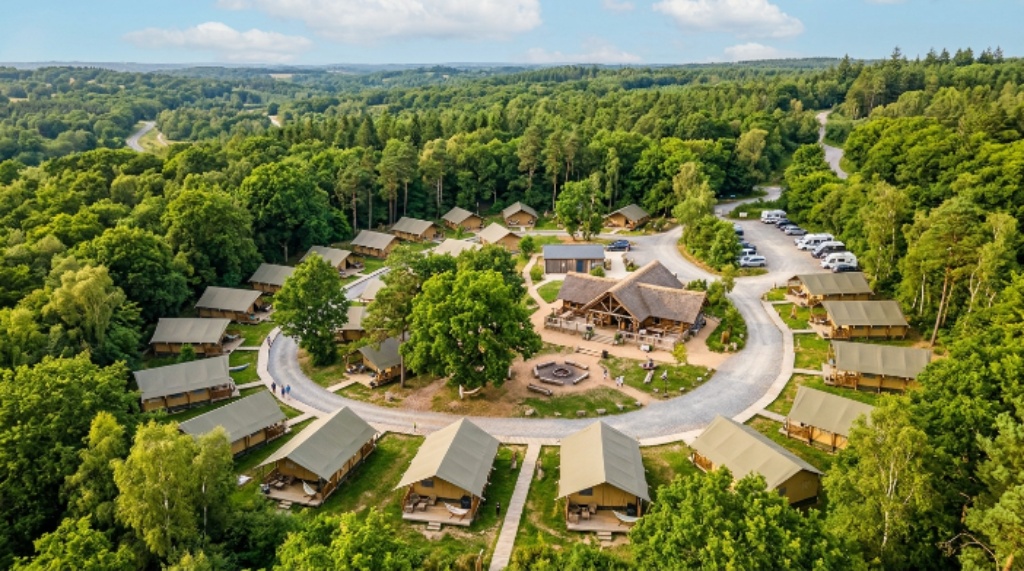
The financial case for glamping site investments is compelling, provided the numbers are approached realistically. Nightly rates depend heavily on location, unit quality, and the overall guest experience. As a general guide, glamping units across the US and UK are pricing in the following ranges in 2026.
| Market | Nightly Rate Range | Premium Location Premium |
| United States (entry level) | $100 – $200 per night | Up to $350+ per night |
| United States (premium units) | $200 – $400 per night | Up to $600+ per night |
| United Kingdom (standard) | £70 – £150 per night | Up to £250+ per night |
Occupancy rates are the other key variable. New sites typically achieve between 35 and 50 percent occupancy in their first year as reviews and marketing build. Mature, well-managed sites in desirable locations often reach 55 to 75 percent annually, with peak summer months running at 80 to 100 percent.
To put this into concrete terms, consider a modest two-tent operation in the US charging 150 dollars per night at 45 percent annual occupancy. That generates roughly 49,000 dollars in gross annual revenue. After operating costs — cleaning, maintenance, insurance, platform fees, and utilities — net income typically falls between 30,000 and 38,000 dollars. More units, higher nightly rates, or year-round operation with weather-appropriate setups all increase that figure.
At a higher scale, a site with 10 well-positioned units charging an average of 200 dollars per night at 60 percent occupancy generates approximately 438,000 dollars in gross annual revenue. After operating expenses, a well-run site at this scale can produce strong net margins. Industry benchmarks suggest that at 60 percent occupancy, an initial investment can be recovered in roughly two years. At 80 percent occupancy, payback can happen in as little as 18 months.
What Makes One Site More Profitable Than Another?
Not all glamping investments produce the same results. Several factors consistently separate high-performing sites from those that struggle.
Location sits at the top of the list. Sites near national parks, coastlines, lakes, and areas of outstanding natural beauty command higher nightly rates and attract more bookings. However, a site does not need to be in a tourist hotspot to succeed. Privacy, peace, and proximity to nature matter more to most glampers than distance to a city center.
Unit design and quality are equally important. Guests in 2026 have high expectations. They want real beds, good lighting, and reliable Wi-Fi. Only 12 percent of potential glampers actively want to disconnect from technology. Additionally, wellness features like private hot tubs and wood-fired saunas lift nightly rates by 15 to 30 percent and improve occupancy by 10 to 15 percent. These additions extend the booking season into shoulder months when plain sites go quiet.
Marketing effectiveness drives occupancy rates more than almost anything else. Strong photography, active social media presence, and excellent reviews on platforms like Airbnb, Glamping Hub, and Google are non-negotiable. Direct bookings, built through a well-designed website and email list, reduce platform commission costs and improve margins significantly.
Guest experience determines repeat bookings and word-of-mouth referrals. Small touches matter — thoughtful welcome baskets, clear arrival instructions, and fast responses to questions all translate into five-star reviews, which in turn drive future bookings.
Planning, Permissions, and Practical Considerations
One of the most common pitfalls for new glamping investors is underestimating the time and complexity of securing planning permission. In most jurisdictions, glamping sites operating more than 28 days per year require formal approval from local planning authorities. Councils and planning departments are becoming more experienced with glamping applications, but timelines can still range from three months to over a year.
Canvas tents and other temporary structures are often classified differently from permanent buildings, which can simplify the permitting process considerably. However, permanent structures like domes, cabins, and treehouses typically require full planning permission, along with fire safety certification and environmental assessments.
Therefore, engaging a planning consultant with experience in rural tourism development is a worthwhile early investment. A pre-application meeting with the local planning authority can identify potential objections early and save months of delay later.
Additionally, operators should factor in utilities access, septic system approvals, and public liability insurance well before opening day. These are not optional extras. They are fundamental requirements that affect both the legal operation of the site and the quality of the guest experience.
Ancillary Revenue Streams That Boost Returns
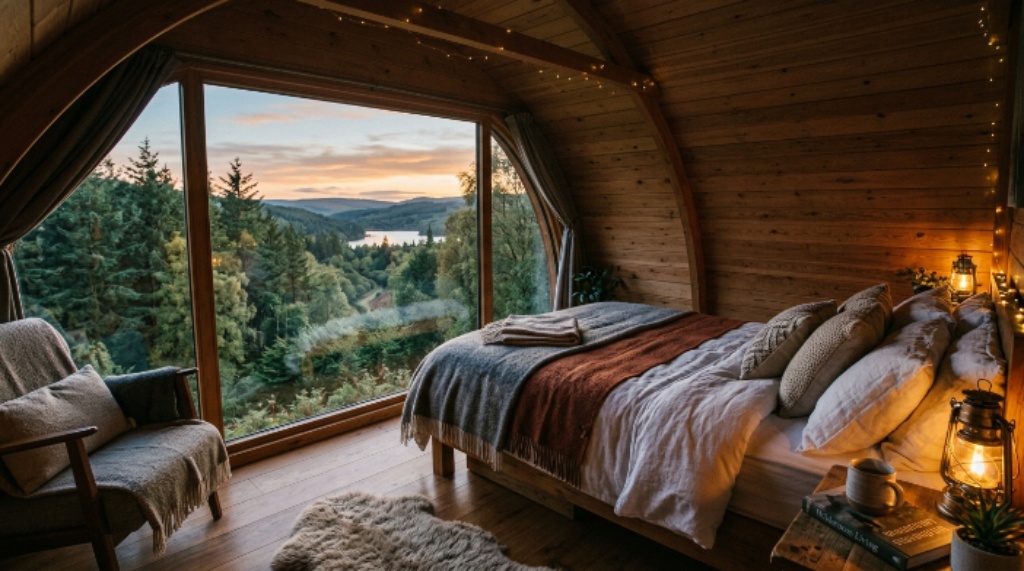
A glamping site does not have to rely solely on nightly accommodation fees. Smart operators build multiple revenue streams that improve profitability and reduce dependence on peak season bookings.
Popular additions include:
- Hot tub and sauna hire charged as a nightly supplement
- Firewood, welcome hampers, and locally sourced food packages sold on arrival
- Guided outdoor experiences such as foraging walks, stargazing sessions, and paddleboarding
- Private events including small weddings, anniversary dinners, and corporate retreats
- Seasonal experiences like harvest suppers, lantern festivals, and winter solstice evenings
These extras serve a dual purpose. They increase the average spend per booking and create the kind of memorable experiences that guests share on social media and talk about with friends. Both outcomes drive future bookings without additional marketing spend.
Conclusion
Turning empty land into a glamping site is one of the most accessible and potentially rewarding property investments available in 2026. The global market continues to grow at over 10 percent per year, driven by travelers seeking comfort in nature. Entry costs are manageable, particularly for canvas-based setups. Well-run sites with strong locations and quality units can recover their initial investment within two to four years and generate consistent ongoing returns. However, success depends on realistic financial planning, careful site selection, quality unit design, and effective marketing. Those who approach glamping site investments with a clear strategy and genuine attention to the guest experience are finding that an empty field can indeed become a goldmine.
Frequently Asked Questions
How much land do I need to start a glamping site?
Even one to two acres can support a small glamping operation with two to four units. A small site of this size can generate meaningful income, particularly if the land has privacy, attractive scenery, or proximity to popular outdoor destinations. Larger sites with more units produce proportionally greater revenue, but a small start helps validate the concept before scaling.
How long does it take to break even on a glamping investment?
Most glamping businesses reach full payback within two to four years, depending on setup costs, occupancy rates, and nightly pricing. At 60 percent annual occupancy, a site can recover its investment in approximately two years. At 40 percent occupancy, the payback period is typically under four years. Sites with premium units in high-demand locations often achieve faster returns.
Do I need planning permission to open a glamping site?
In most countries, yes. Sites operating more than 28 days per year typically require formal planning permission from the local authority. Temporary structures like canvas tents may fall under lighter regulations in some jurisdictions, but permanent structures such as domes, pods, and cabins almost always require full planning approval. Always check with your local planning department before investing in site development.
What type of glamping unit earns the most money?
Geodesic domes, luxury pods, and treehouses consistently command the highest nightly rates and attract the most social media attention. However, the best-performing unit type depends on your location, target market, and budget. Safari tents and shepherd huts offer a strong balance between setup cost, running costs, and achievable nightly rates, making them popular choices for first-time operators.
Can glamping sites operate year-round?
Yes, but it requires planning. Standard canvas tents without heating can limit the booking season to spring through autumn. Units with wood-burning stoves, insulation, and heating systems extend occupancy into winter significantly. Sites that add wellness features like hot tubs and saunas attract guests year-round. Year-round operation improves annual occupancy rates and accelerates the return on investment.


